Discover the shocking truth about what's really in your drinking water and how it could be affecting your family's health.
Twenty years ago, I ran a full-time business installing reverse osmosis (RO) water filtration systems in homes and commercial properties across Westchester and New York City. After years of conversations with water department officials across multiple municipalities, I became fascinated—if not stunned—by the idea that tap water could legally be classified as "safe for public consumption."
Back then, the main concern was chlorine, lead, and bacteria. But now, after recently revisiting the topic, I've realized the situation has gotten worse, not better. With modern testing methods, we're now uncovering hundreds of unregulated toxic compounds that weren't even part of the conversation two decades ago.
These include hormone disruptors, pharmaceuticals, and PFAS chemicals that never leave the body.
Watch how Yonkers tap water destroyed a brand-new reverse osmosis filter in under a week
White Plains draws its water from the Catskill and Delaware watersheds, which empty into the Kensico Reservoir in Valhalla. Though the source is technically "protected," Kensico is an open-air storage basin—exposed to the elements and wildlife.
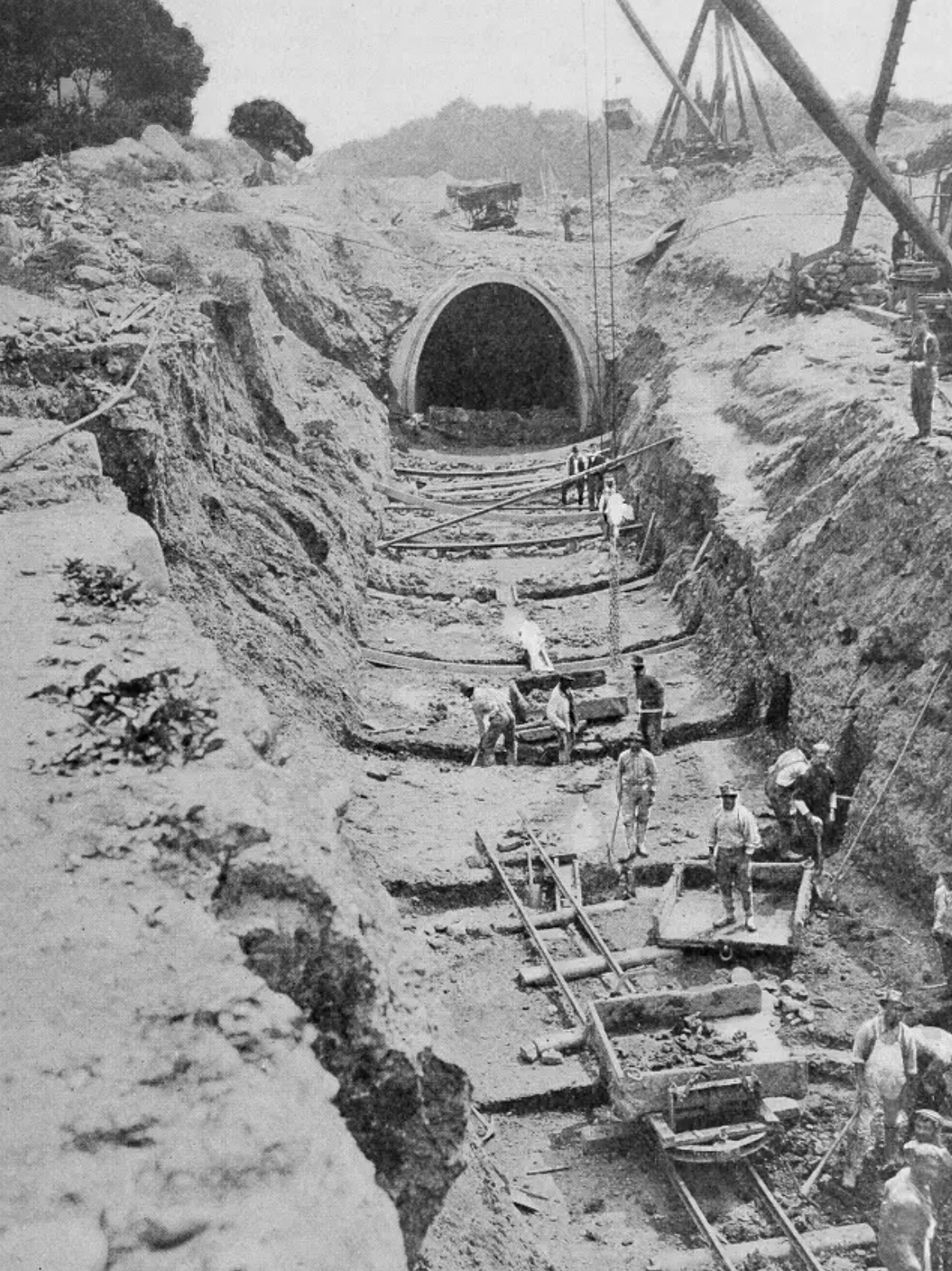
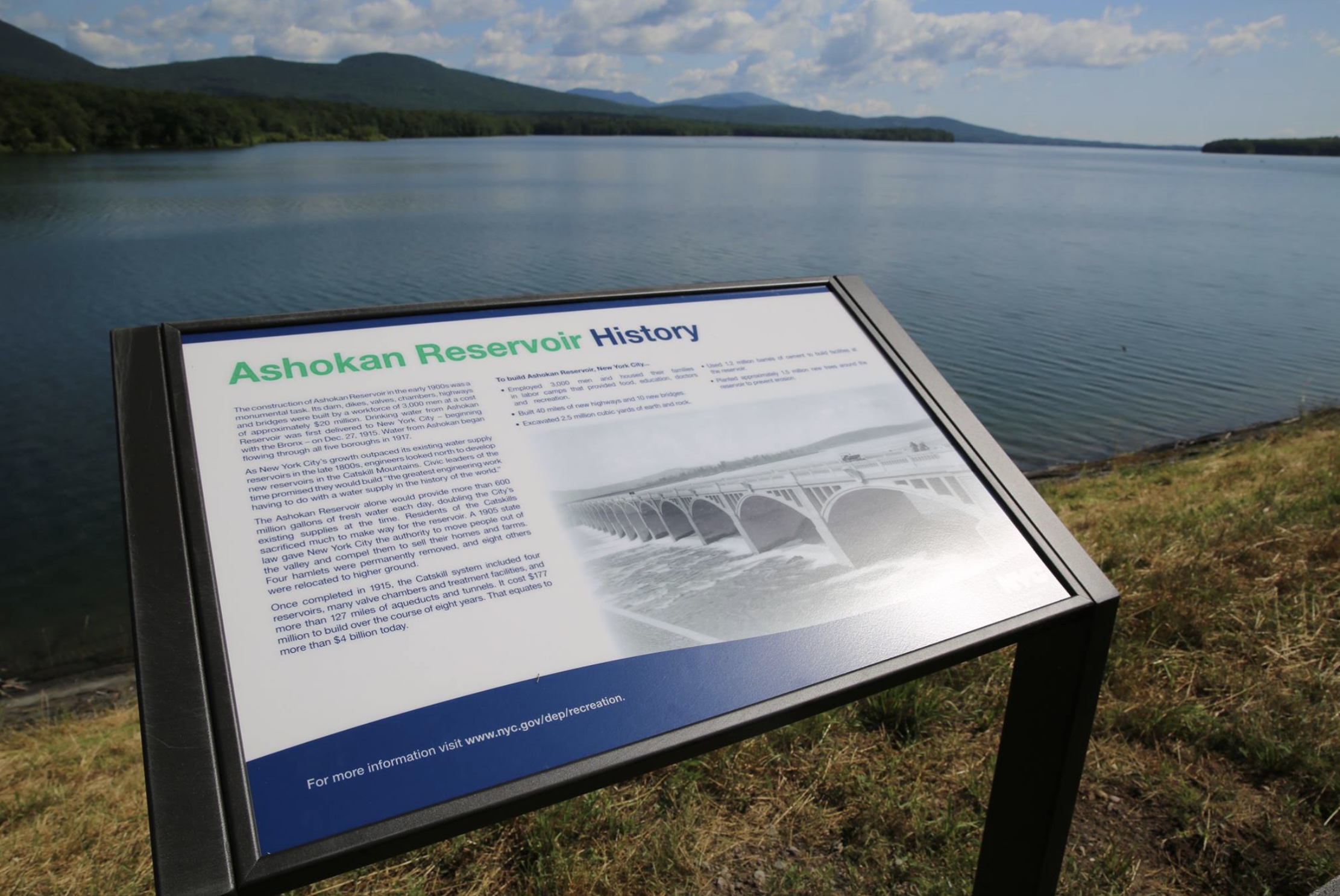
Built over a century ago, our water system wasn't designed to handle modern contaminants
The original aqueduct was an engineering marvel of its time, but was built long before modern chemical contaminants were a concern. The system was designed to deliver water, not filter out industrial pollutants.
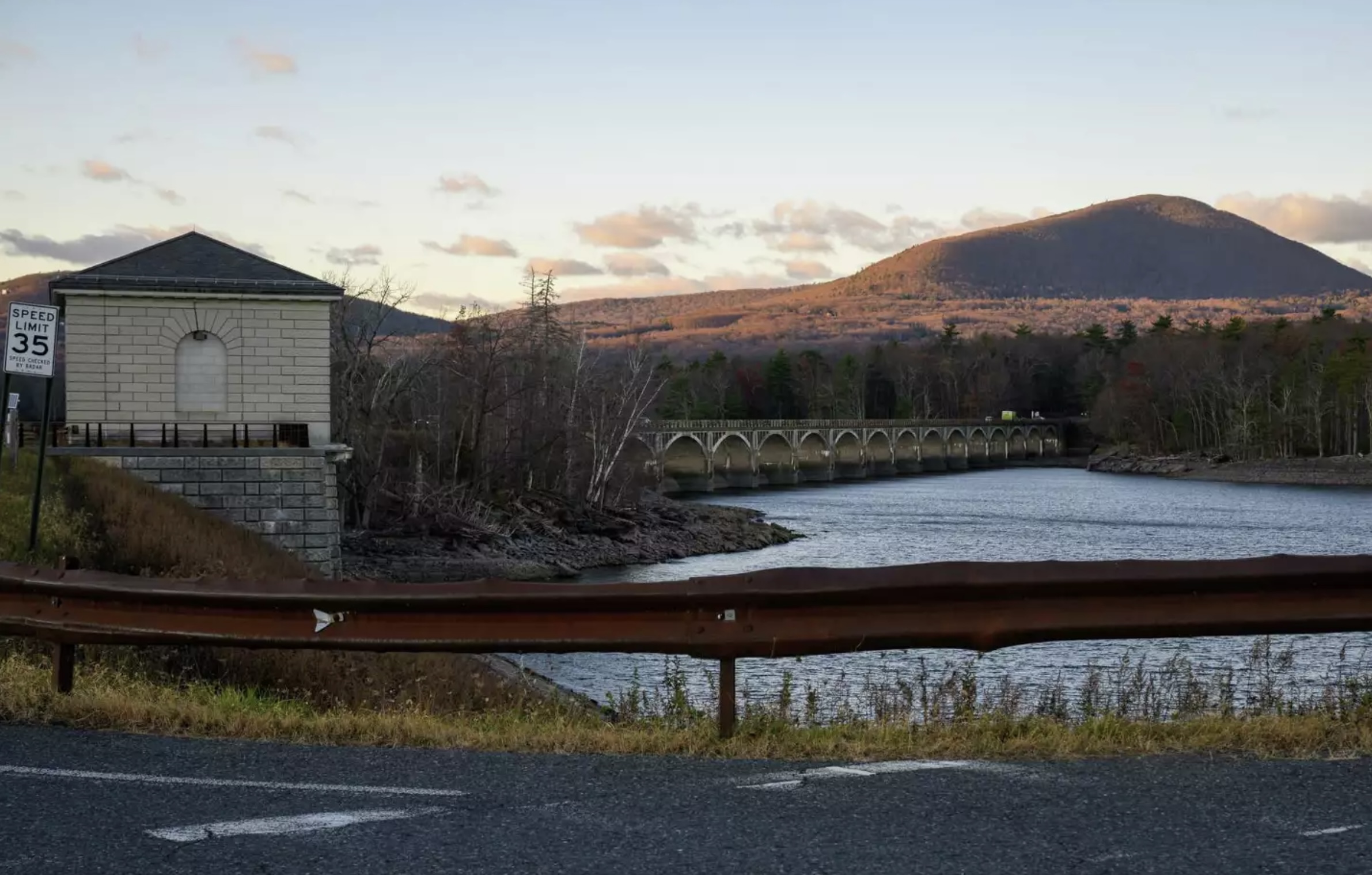
The first major water supply for The Bronx, this reservoir was built when lead pipes were still common and before the invention of most synthetic chemicals that now pollute our water.
The sheer volume of water stored is impossible to fully filter. Municipalities dose it with chemicals that may kill microbes but do nothing against these toxins:
Used in non-stick cookware, stain-resistant fabrics, and firefighting foam. They accumulate in the body and never break down in the environment.
Leaches from old pipes and plumbing fixtures. Even low levels can cause developmental issues in children and cardiovascular problems in adults.
Traces of antibiotics, antidepressants, and hormones enter the water through human waste and improper disposal of medications.
Agricultural runoff contains herbicides like atrazine, which is banned in Europe but still used in the U.S. and linked to hormone disruption.
A probable human carcinogen found in solvents, adhesives, and personal care products. Resistant to conventional water treatment.
Phthalates and BPA from plastics interfere with the endocrine system, affecting reproduction, development, and metabolism.
Boiling the water? It concentrates these toxins rather than removing them.
Children are more than twice as vulnerable to chemical exposures. Their organs are still developing. Their bodies are smaller. Even microdoses of endocrine disruptors like PFAS or phthalates can lead to serious health issues.
There is no "safe" level of exposure to these toxins for children.
Not all water filters are created equal. Here's what you need to know about your options:
Demand a full panel from your water department. Here are the key contaminants to ask about:
Various medication residues
White Plains isn't facing a sudden water crisis—it's facing a slow chemical siege. Most contaminants are unregulated, untested, and unfiltered. Water is considered "safe" because the government doesn't require testing for what really matters.
If you care about your health—or your children's health—you don't wait for the EPA or local officials to catch up.
Get independent testing for contaminants the city doesn't report.
Choose a system that actually removes the dangerous contaminants.
Help others understand the risks in our water supply.
Remember: Legal doesn't mean safe. And normal doesn't mean acceptable.
Use this sample letter to contact the White Plains Bureau of Water & Wastewater and demand transparency about unreported contaminants in our water supply.